

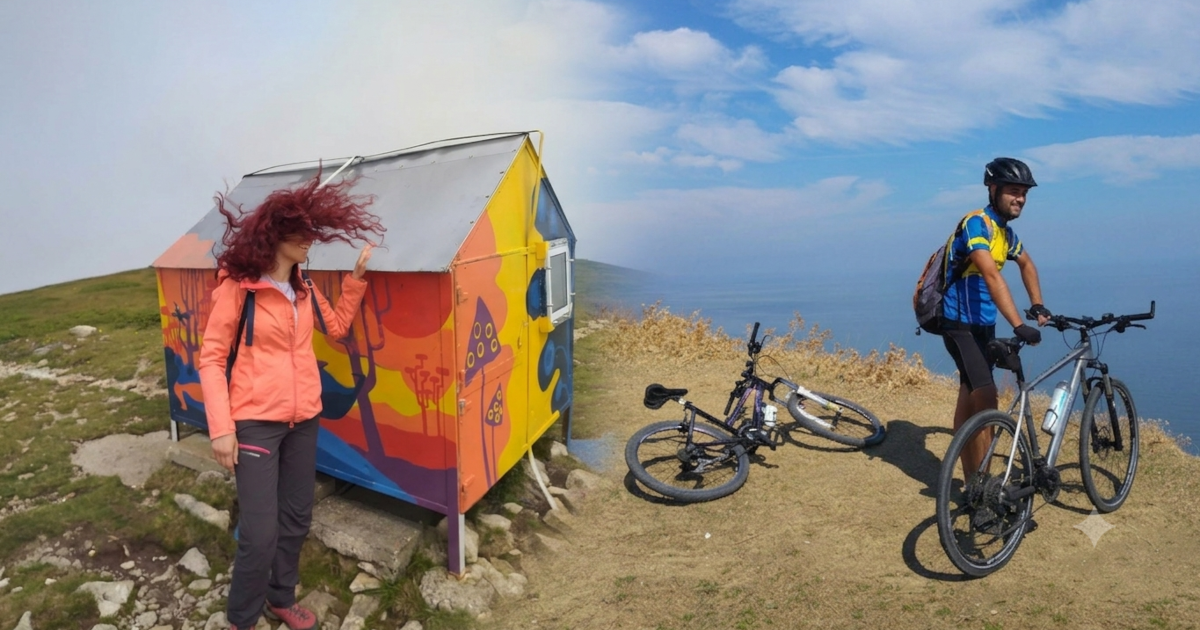
VMFit began in 2015 as a personal GPS tracker called GPS Track. It survived years of inactivity, the end of a partnership, several redesigns, and many weekends of development before reaching Google Play a decade later.
My name is Vladimir Paskov. I develop VMFit through VMSoft Lab Ltd., while Mariana Paskova handles much of the application’s testing and quality assurance.
VMFit in brief
- 2015: GPS Track begins as a personal activity-tracking project.
- 2021: The project returns as the technical foundation of Find the Bike.
- 2022: Development continues independently under VMSoft.
- Late 2024: The VMFit name, logo and current identity are established.
- November 2, 2025: VMFit 1.0 is released on Google Play.
It started with Endomondo
At the time, I was a regular Endomondo user. I enjoyed recording activities, following routes, and reviewing the statistics afterwards. However, some of the functionality I wanted was either missing or available only through Endomondo’s paid tier.
Rather than continue searching for the perfect tracker, I began building one for myself.
GPS Track was initially a personal software project developed alongside Endomondo, not a replacement intended for other users. It included activity records, maps, statistics, and tools for working with the data I collected during my own walks and bicycle rides.
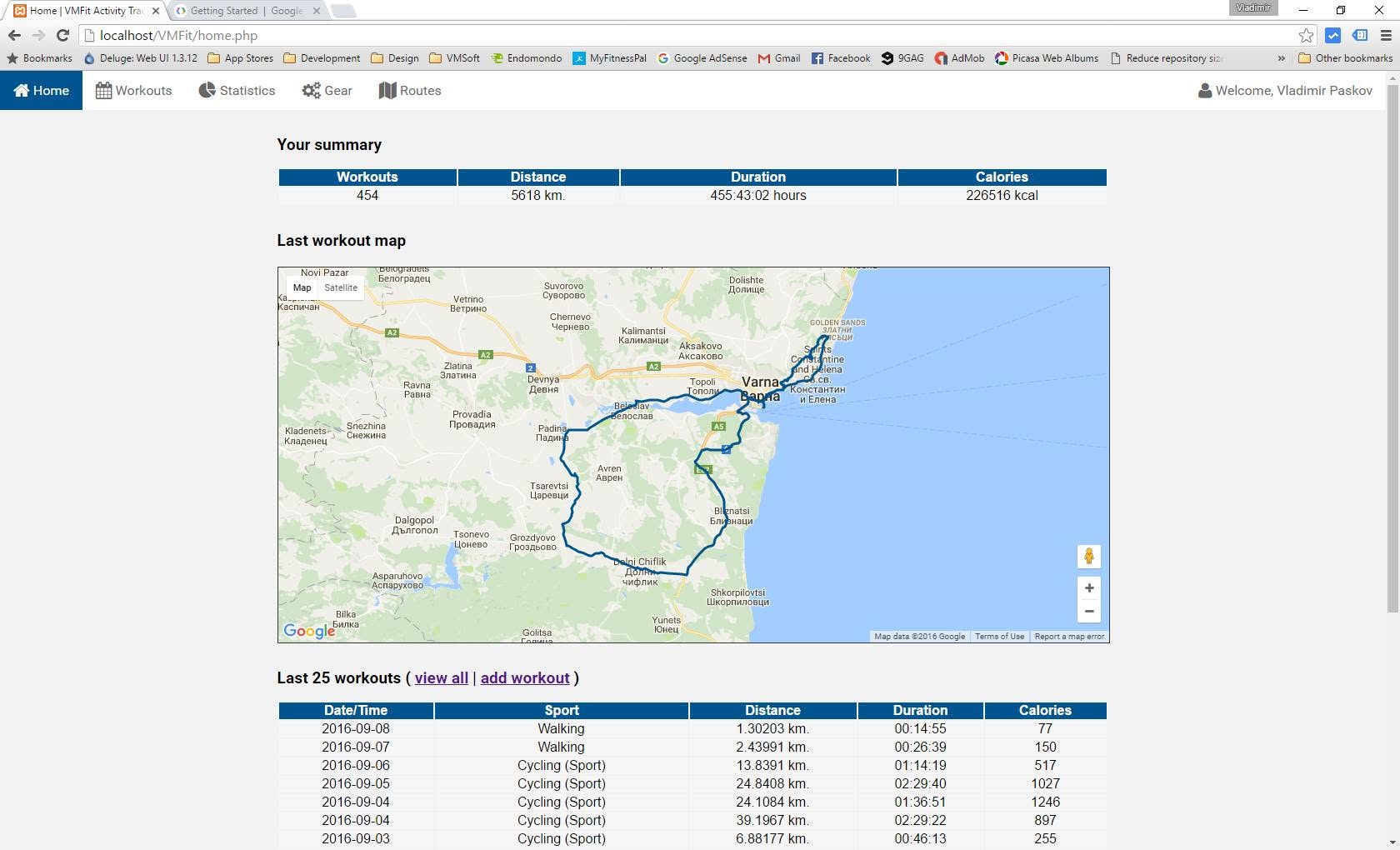
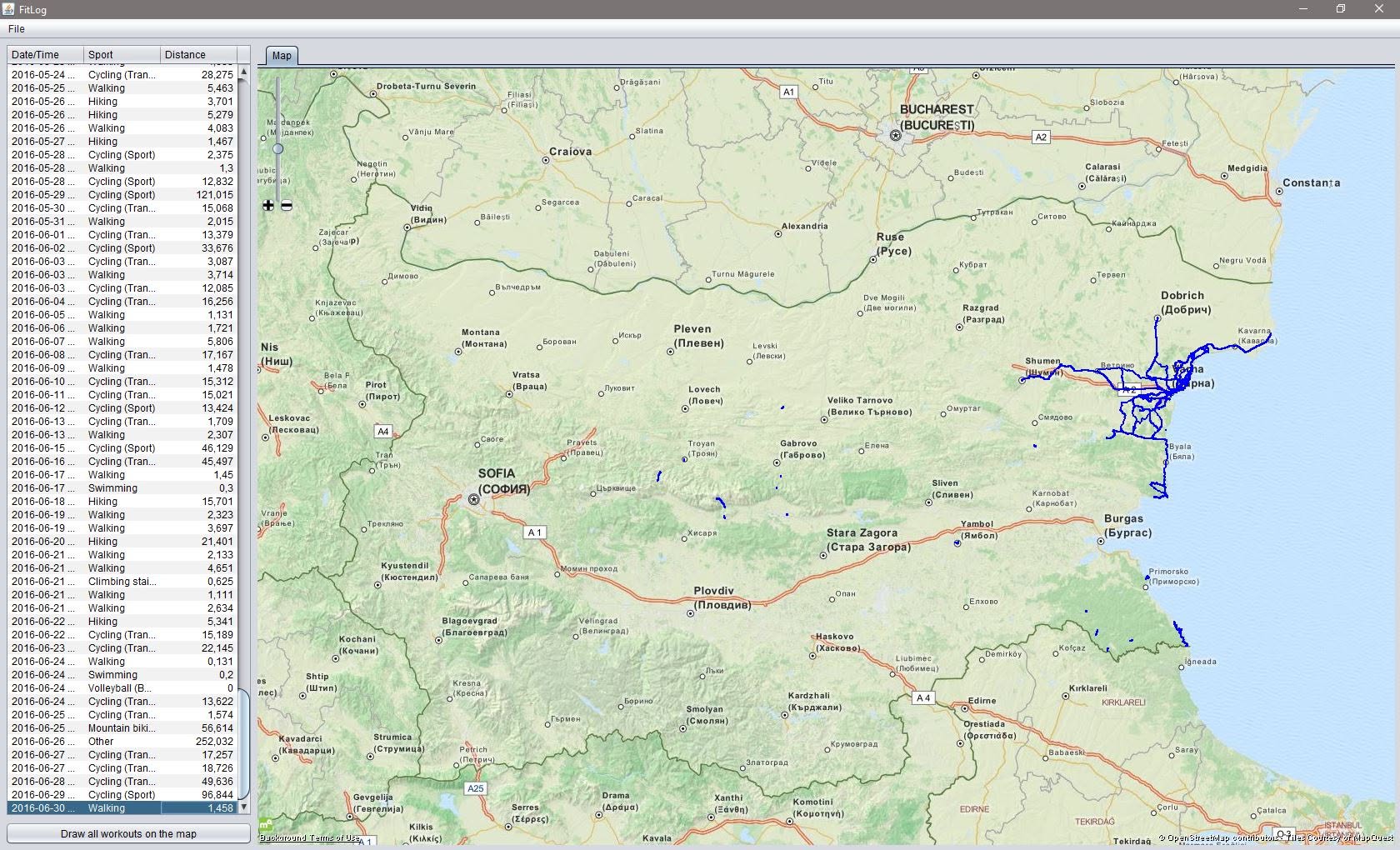
The early project looked very different from the VMFit application available today. Some parts ran through a browser. There were desktop tools for viewing activities and routes, an Android application, and even an importer for retrieving workout data from Endomondo.
The design was basic, and the different parts were not yet a polished product. They were tools created to solve my own practical problems.
A project frozen in time
GPS Track did not develop continuously after 2015.
Other development work took priority. VMSoft had software projects that needed attention, there were financial pressures, and I eventually had to balance the company with a separate full-time development job.
For approximately five years, GPS Track remained largely frozen.
The code and recorded activities still existed, but the application was no longer moving towards a public release. It was one of those personal projects that remained useful and important but could never quite reach the top of the list.
That changed around 2021.
A second life through Find the Bike
GPS Track was revived as part of a business venture called Find the Bike.
The initiative aimed to encourage more people to use bicycles for transportation and to think about the environmental effects of how they moved around their cities.
VMSoft joined the venture as a development partner, and the old tracker became the technical foundation for a new application. The project introduced a broader purpose and gave me a reason to return seriously to the tracking code.
More information about the former Find the Bike application remains available in the VMSoft application archive.
For about a year, we worked on that direction. Eventually, however, the partners discovered that we had different ideas about what the application should become and what we wanted to achieve with it.
We decided to take separate paths.
The partnership ended, but the tracker did not.
Choosing an independent direction
After Find the Bike, I had to decide whether the application should be abandoned again or continue as an independent VMSoft project.
I chose to continue.
There was no large team or investment behind that decision. Development would happen in my spare time, often during weekends, one feature and sometimes one line at a time.
The shutdown of Endomondo at the end of 2020 also influenced that choice. After trying other activity trackers, I still had not found one that fully matched what I expected from this kind of software.
The new direction therefore became clearer.
The application would focus on dependable activity recording, offline use, local ownership of workout history, privacy, and a user-first approach. Core tracking would not require an account or mandatory cloud storage.
These choices are explored further in Can you use a fitness tracker without an account? and Can you track running, walking and cycling without internet?.
Becoming VMFit
The name VMFit combines three parts of the project’s identity.
The letters V and M represent Vladimir and Mariana. They also connect the application to the name VMSoft, which was formed from the same initials. “Fit” describes the area in which the application operates without limiting it to one sport.
The current logo and typography were selected in late 2024. By then, the project had gone through several interfaces, technical approaches, and intended uses, but it finally had an identity that could remain with it.
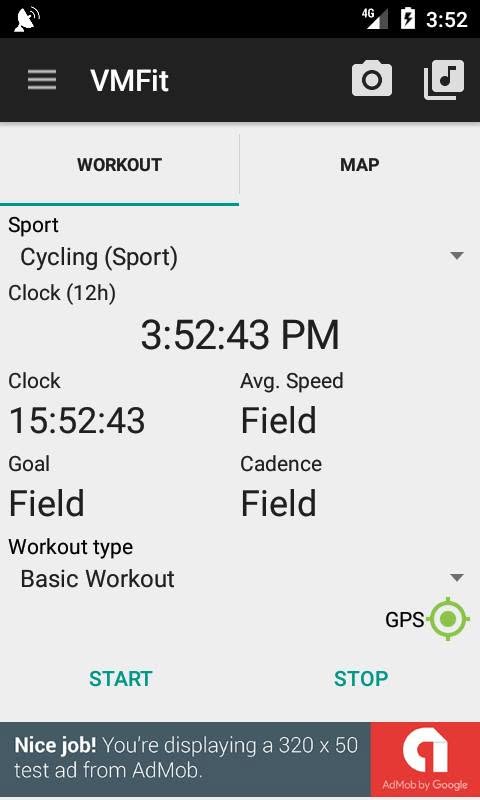
Between 2021 and 2025, VMFit continued to develop on an irregular schedule. Some weekends produced substantial progress. At other times, work or responsibilities elsewhere meant that development stopped temporarily.
During those years, the app was used almost exclusively by Mariana and me on our own activities and travels.
That long period of private use mattered. VMFit was not being developed only from requirements written at a desk. We were carrying it with us, recording activities, looking at the resulting routes and statistics, finding problems, and returning to the code.
The two people behind VMFit
Vladimir Paskov
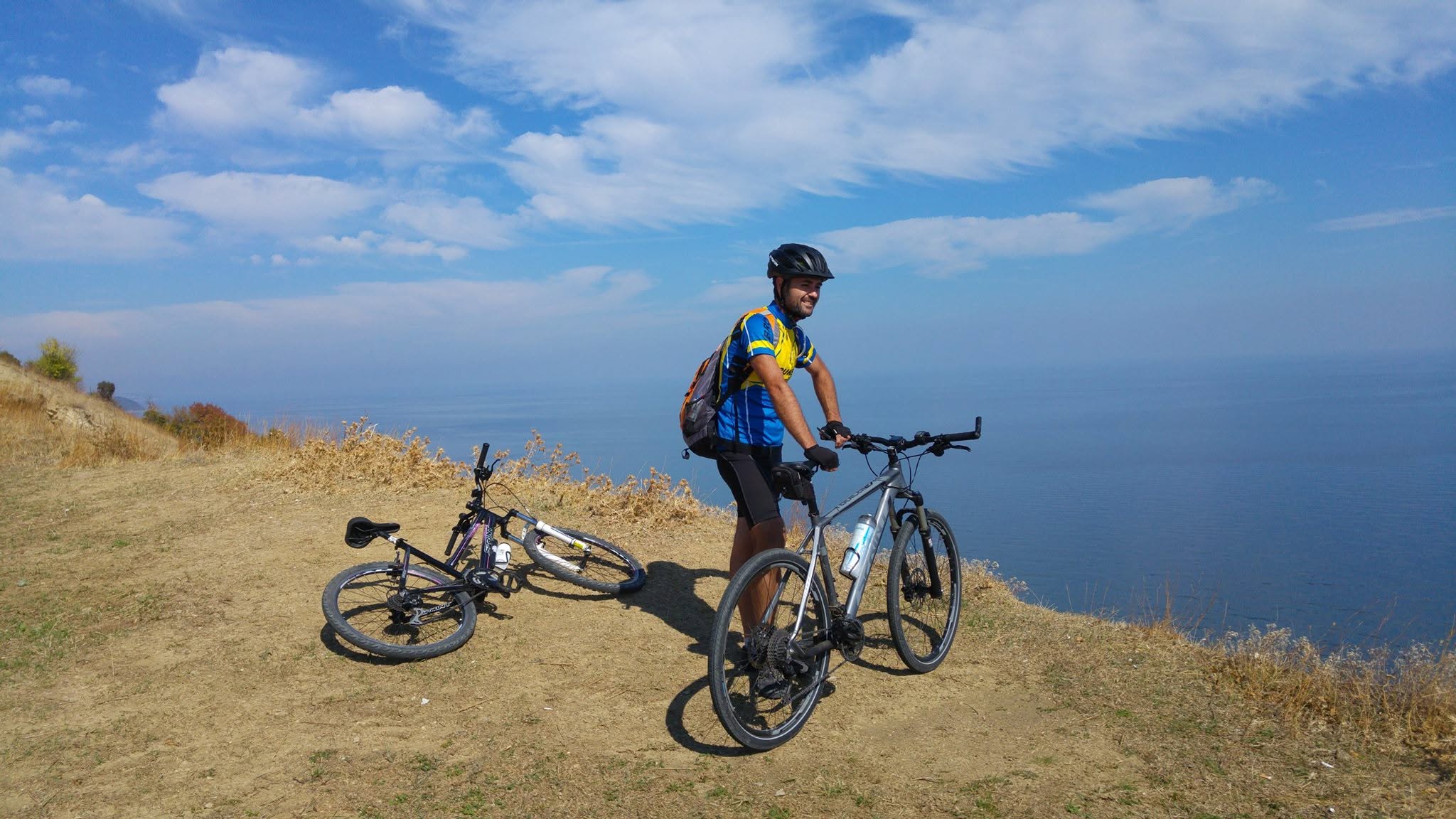
I handle most aspects of the project: software development, architecture, infrastructure, testing, documentation, website content, and release preparation.
I have worked professionally as a software developer since 2005, with much of my recent work focused on Android development. My broader background includes native, mobile, web, database, and Linux server software. I have worked on Android applications professionally for many years while also developing and maintaining VMSoft’s own applications.
More information about my professional background is available through my CV, personal profile, and LinkedIn.
In a larger company, the work behind VMFit might be distributed among Android developers, backend developers, system administrators, technical writers, product managers, and support staff. Here, those responsibilities usually reach the same desk.
That has limitations, but it also creates direct accountability. When a problem is reported, it reaches the person who designed and wrote the relevant code.
Mariana Paskova
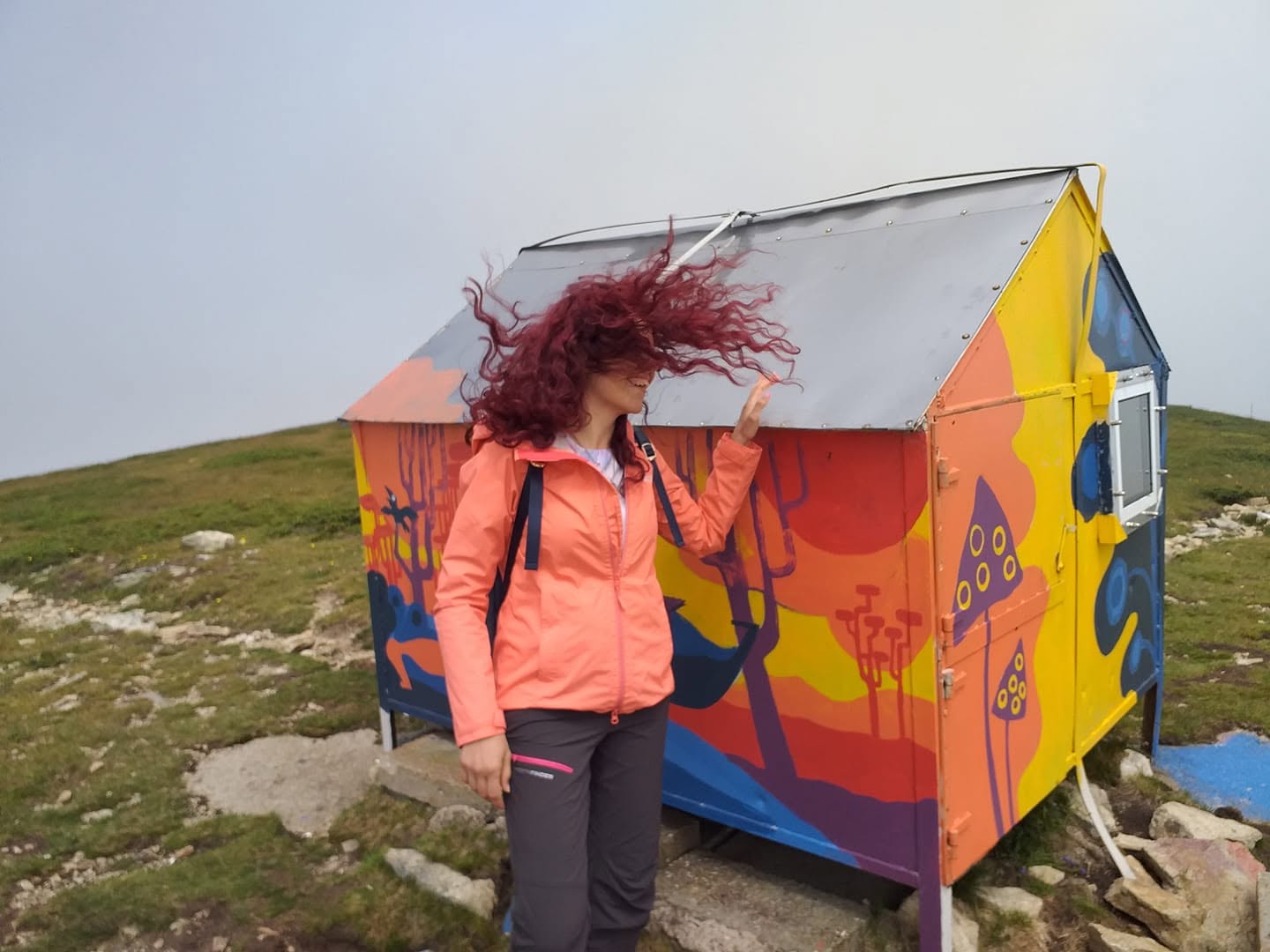
Mariana is responsible for quality assurance and is one of VMFit’s two original users.
She tests the application during development and during real activities. Her role is not simply to confirm that a screen opens or a button can be pressed. She uses the application as a normal person would and notices problems that are easy to miss when looking at the project only from a developer’s perspective.
VMFit carries both of our initials because both of us have been part of its history. While I write most of the code, the application has been used, questioned, and tested by both of us throughout its development.
VMSoft itself has always been a shared effort between us.
Testing outside the development environment
An activity tracker cannot be tested properly only through an emulator.
GPS behaviour changes between devices. Android manufacturers handle background processes differently. Watches can disconnect. Batteries run low. Storage fills up. Network coverage disappears. A tracking session may be paused, resumed, or recovered after the operating system interrupts the application.
The practical limits of phone-based positioning are explained in How accurate is phone GPS for outdoor activity tracking?.
VMFit is therefore tested on real Android phones and Wear OS watches, including current devices, older models, and deliberately weak hardware.
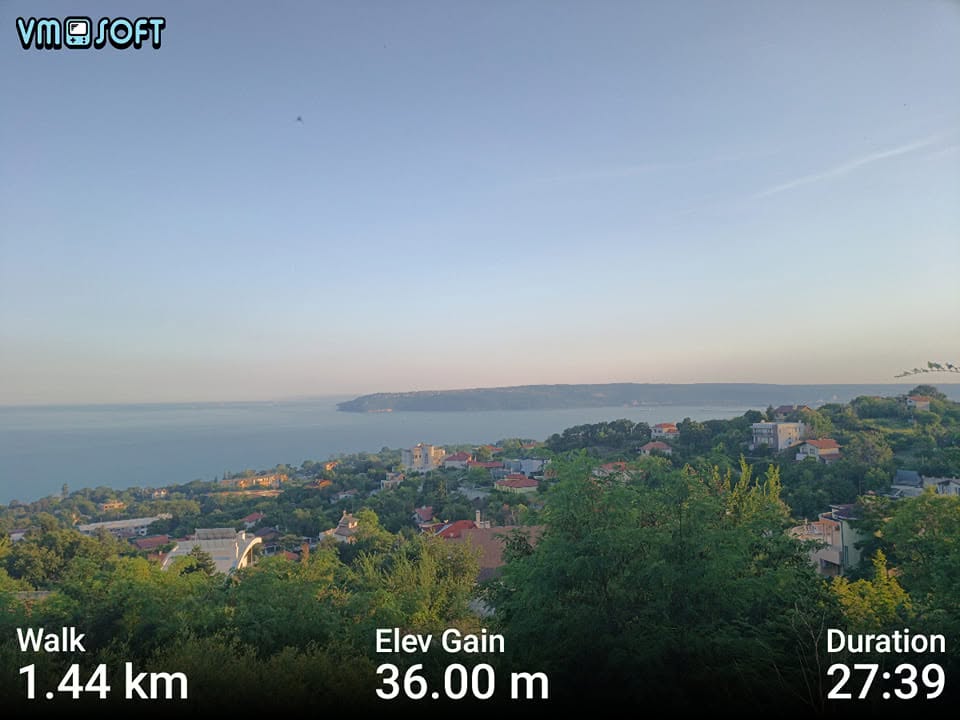
We use it during walks, hikes, bicycle rides, and other activities. We test routes in towns, along the coast, and in less convenient conditions. Features such as GPS recording, pauses, activity recovery, laps and distance splits, maps, statistics, and phone-to-watch communication are exercised during actual movement rather than only with prepared test data.
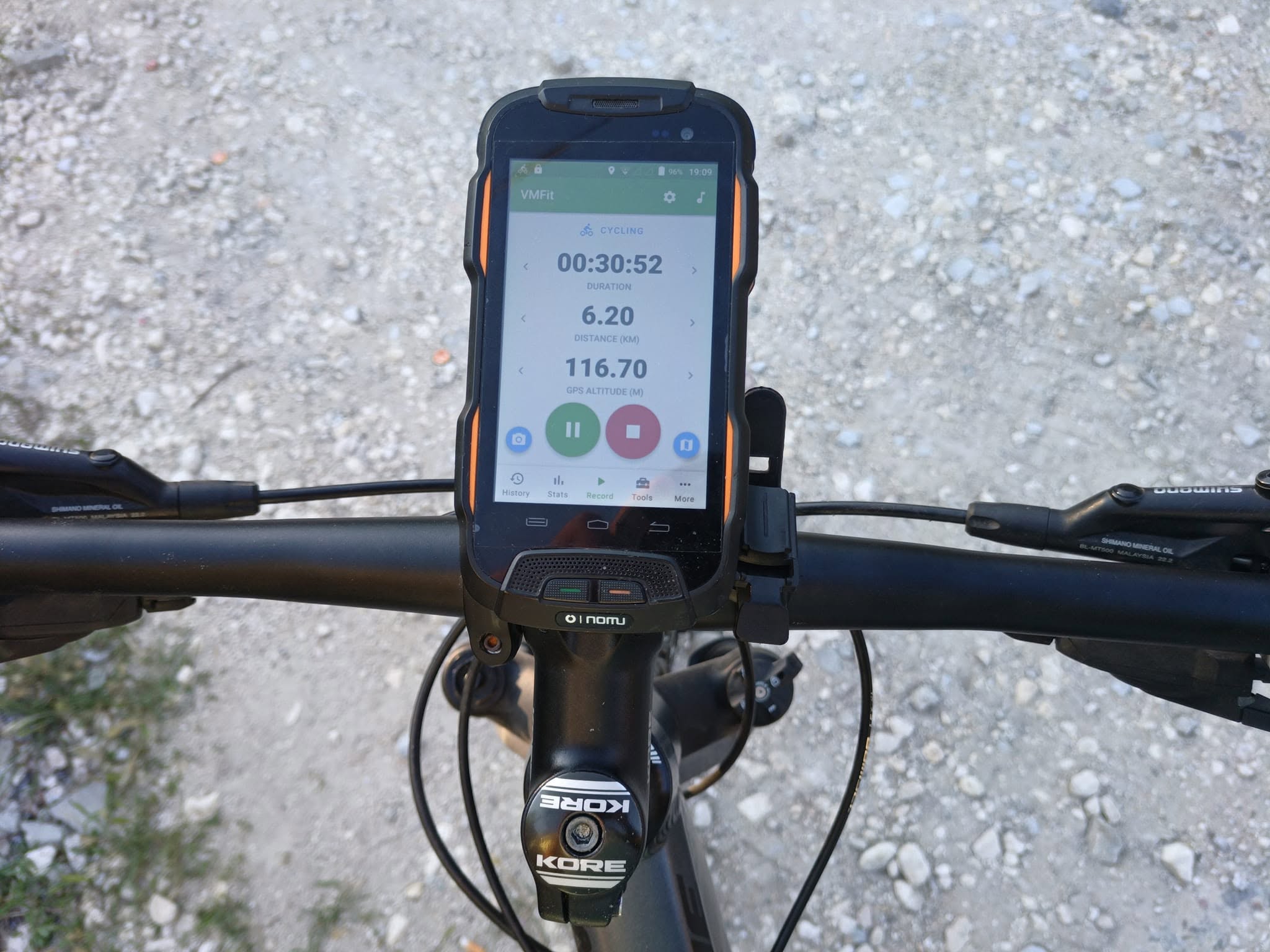
Older and lower-powered devices are part of that testing rather than a separate compatibility promise. They expose problems involving memory pressure, slow storage, aggressive background restrictions, and manufacturer-specific Android behaviour that may not appear on a current flagship phone.
No application can support every device indefinitely, but compatibility decisions should be based on real testing rather than the assumption that every user owns recent hardware.
Not every test produces a new feature. Sometimes it reveals an incorrect calculation, a device-specific crash, an interface that is difficult to read outdoors, or behaviour that made sense during development but not during a real activity.
Those findings become bug reports, code changes, and another round of testing.
This process takes longer than relying on automated tests alone, but it exposes a different class of problems. A feature is not finished simply because it compiled successfully. It must remain useful after the phone has spent several hours in a pocket, on bicycle handlebars, or connected to a watch while the person using it is paying attention to the activity rather than the application.
The principles behind the project
VMFit has changed considerably since the first version of GPS Track, but several principles continue to guide its development.
Core tracking should not require an account
People should be able to install VMFit and record an activity without first creating an online identity.
VMFit stores workout history on the user’s device, and its basic tracking functionality does not depend on mandatory cloud storage. An account should not be a condition for recording and reviewing an activity.
Recording should remain possible without a connection
Some features naturally require internet access. Loading online information, creating a public activity link, or uploading a workout to another service cannot happen completely offline.
The loss of a network connection should not prevent VMFit from recording the core activity data provided by the phone.
Connectivity should add options rather than determine whether the tracker can function.
Features should solve real problems
VMFit does not need a feature merely because another tracker includes it.
New functionality should have a clear purpose, work reliably, and fit naturally with the rest of the application. Sometimes that means implementing an idea. At other times, it means simplifying it, postponing it, or deciding that it does not belong in the app.
Several social-interface experiments were created during development, but they are not part of the current public application. An optional social layer remains a possible future direction, not a feature we present as already available.
Describe the application as it exists
VMFit is an evolving project. There will be bugs, revised decisions, and features that take longer than expected.
We would rather describe the application as it currently works than present unfinished plans as completed functionality. The same principle applies to its history.
VMFit was not developed through ten years of uninterrupted progress. It stopped, changed direction, lost a partnership, survived several redesigns, and spent years as software used by only two people.
That uneven history is part of what VMFit is.
Eleven months to version 1.0
In 2025, I decided that the application had remained private for long enough.
Turning years of personal software into something suitable for other people proved more difficult than expected. A tool used by its developer can contain assumptions, unfinished corners, and workflows that make sense only because its creator already knows how everything works.
For approximately eleven months, I worked on polishing and testing VMFit while continuing my full-time job and maintaining other VMSoft projects.
The goal was not to declare the application complete. Software of this kind is never truly complete. The goal was to reach a version that could be installed and understood by someone who had never seen the project before.
On November 2, 2025, VMFit 1.0 was released on Google Play.
That was not the beginning of VMFit. It was the beginning of its public life.
Built personally, shared publicly
VMFit is now used by people we have never met, on devices we have never handled, and on routes we may never see.
That changes the responsibility behind the project, but not the way it is built.
I still develop the application directly, while Mariana and I test it on real hardware and use it during our own activities. Feedback still reaches us directly. New releases still have to fit around employment, other software projects, and ordinary life.
VMFit may have started as a personal alternative to features I missed in Endomondo, but it has grown into a record of ten years of changing technology, interrupted plans, experiments, and persistence.
Its public story began in November 2025.
The work behind it began much earlier.